I don’t know about you but if I could write an open letter to all recruiters and hiring teams about the anxious process of an application that is pending, it would look like this. Let me know if you can relate. Here’s the letter with a sprinkle of my intrusive thoughts.
* * * * *
5:35 PM. Warm Thursday evening. Lots of noise outside my Lagos apartment nestled so close to the road I can jump from my balcony into a Yellow Bus if I were Spider-man.
I open Gmail to check for updates. Nothing. I stare at the screen for 5 mins and start typing like my keyboard is the reason “there are no jobs” is beginning to sound true. My letter goes thus…
Dear Recruiter,
I hope my email meets you well..
Yours hasn’t met me at all in three weeks.
It’s been exactly 21 days since I clicked “Submit Application”, and at this point, I’ve checked my inbox so many times that Gmail now hates to see me coming. I’ve refreshed, waited and refreshed again. I checked my spam folder, my promotions tab, even that mysterious “All Mail” section I didn’t know existed until this job application sent me spiraling.
We need to talk!
Table of Contents
The Anatomy of “The Waiting Period”
Let me walk you through what waiting to hear back after a job application actually looks like from our side. Just imagine for a second that you’re me waiting to hear back
Stage 1: Delulu (Peak Delusion😀)
The application has been submitted.

You start calculating that first salary. You already imagined your first day at work. In your head, you’ve picked the outfits you’ll wear that first week and how you’ll smile quietly and say something smart every 15 mins in impeccable English.
Stage 2: “They’re Probably Still Reviewing Applications”
It’s been four days but you’re still calm.
After all, an article online says only about 4% of applicants hear back within one day. Most people hear something within 1-2 weeks, according to a 2025 hiring research. So you tell yourself to relax.
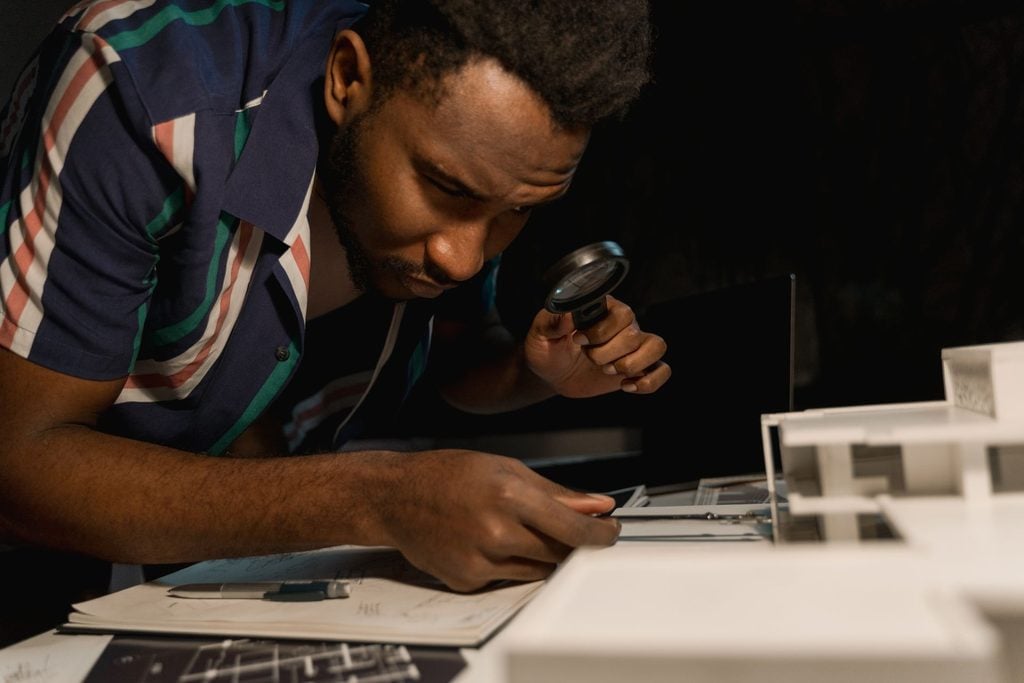
Stage 3: Detective Mode
The mild panic sets in. You google “how long to wait after applying for a job” at 11pm. Okay, apparently the typical job seeker hears back in about 6 to 7 business days. So you’re right on schedule.
Stage 4: Character Development
You have rewritten your CV twice. You’ve started questioning every word in your cover letter. “Did I sound too eager? Not eager enough? Was my subject line wrong? Should I have used a different font?” You have applied to 11 other jobs just to calm yourself down.
If you’ve ever experienced a job application with no response, just know you’re not alone. Surveys show that 79% of job seekers experience anxiety during their search, while 66% say the process leaves them feeling burned out.
Stage 5: Acceptance… Sort Of
Eventually, you sigh and whisper, “Maybe it just wasn’t my turn.” Then you see another vacancy. You edit your CV for the fifteenth time. And somehow, you find the strength to click Apply again.
Okay, okay. We see you too, recruiters…
Here’s the thing. This isn’t an attack. I know recruiters are overwhelmed too.
Recruiter workload rose 26% between Q3 2023 and Q3 2024.. They’re managing more vacancies, more applications, and fewer resources. Add the fact that 58% of job seekers now use AI in job search and even applications, and their inboxes are packed with CVs that sound almost identical.
The average hiring journey now takes about 46 days from application to offer. Budget freezes happen. Roles get paused. Internal approvals drag on. Sometimes the ATS filters out qualified candidates before the real hiring team ever sees the CV.
We get it.
But understanding the problem doesn’t make the silence any easier.
Recruiter ghosting is one of the most frustrating parts of job searching. In fact, 61% of job seekers have been ghosted after an interview. That’s really, really exhausting.
Dear recruiters, please help our almost broken hearts. Respond.
R – E – S – P -O -N -D!
Still Yours (Hopefully),
A Hopeful Jobseeker
* * * * *
And to my fellow talent looking to score an amazing job, what do we do during this waiting period? I’ll tell you for free.
What To Do While You’re Waiting for a Job Application Response
- Set a follow-up date and actually follow up
If it’s been 7 to 10 days, send one polite email expressing your continued interest and asking if there are any updates. Keep it warm, professional, and brief. Then leave it alone.
- Do not stop applying
Don’t pause your entire job search for one application. It might be the one. It might not. Either way, your career can’t sit in your inbox refreshing alongside you. Besides you can now download the Jobberman App to easily navigate everything about your job search.
- Update your Jobberman profile
Make it easier for recruiters to find you instead of waiting for every opportunity to come through an application. Keep your CV updated, refresh your experience, and continue browsing available roles.
Jobberman has made it easier for you. You can get matched to your dream job even more easily. All you need to do?
- Sign up on Jobberman if you haven’t. If you already have an account, complete your profile. It takes less than 2 minutes now.
- Sign up for the Jobberman newsletters. Real job opportunities are shared there every single time (with the real “competitive pay”).
- Fill out the form to get matched to job opportunities in banking, finance & insurance or Retail, Fashion & FMCG or even Manufacturing. Note that three distinct forms are listed here. Click the one you want to get into the pool and get matched.
- Keep an eye on your email inbox and wait to get matched with employers in your industry.
- Use the time to upskill
The gap between your application and their response is time you can use. There are short courses on the Jobberman platform that can strengthen your profile. If you eventually get an interview, being able to say, “I used the waiting period to complete a course in X,” is always a good look.
- Consider structured pathways if you’re eligible
If you’re a young Nigerian between 18 and 35 and you’re finding that entry-level jobs in Nigeria feel impossible to break into, the Mastercard Foundation Associates Program is worth looking into. It’s not just a training programme. It’s a structured pathway that connects young Africans with employer partners across Nigeria, Ghana, Liberia, Sierra Leone and The Gambia so you’re not just sending CVs into the void. You’re being placed with intention for 12 months, with pay!
Frequently Asked Questions
How long should I wait before following up on a job application?
A good rule of thumb is to wait 7 to 10 days, unless the employer gives a specific timeline. A polite follow-up shows interest without putting unnecessary pressure on the recruiter.
What does it mean if a recruiter hasn’t responded after 3 weeks?
Not necessarily a rejection. The role may still be under review or delayed. Keep applying for other opportunities instead of waiting on one application.
Should I keep applying while waiting to hear back?
Absolutely. Never stop your job search because of one application. The more relevant opportunities you apply for, the better your chances of landing an interview. Even better? Complete your Jobberman profile and you can get matched with employers in your industry.
How do I follow up on a job application professionally?
Send one short email confirming the role you applied for, restate your interest, and ask if there are any updates. Be polite, concise, and patient.
Why do recruiters sometimes ghost applicants?
Recruiters may be dealing with high application volumes, hiring delays, or changing business priorities. While frustrating, a lack of response isn’t always a reflection of your qualifications.
WRITTEN BY SPECIAL OTIOGBO
EDITED BY THELMA NWOSU