In discussions about economic growth, infrastructure, funding, and policy often take centre stage. Yet one of the biggest drivers of growth is the workforce, which can only be fully utilised when opportunities are open to all, not limited to half of the population.
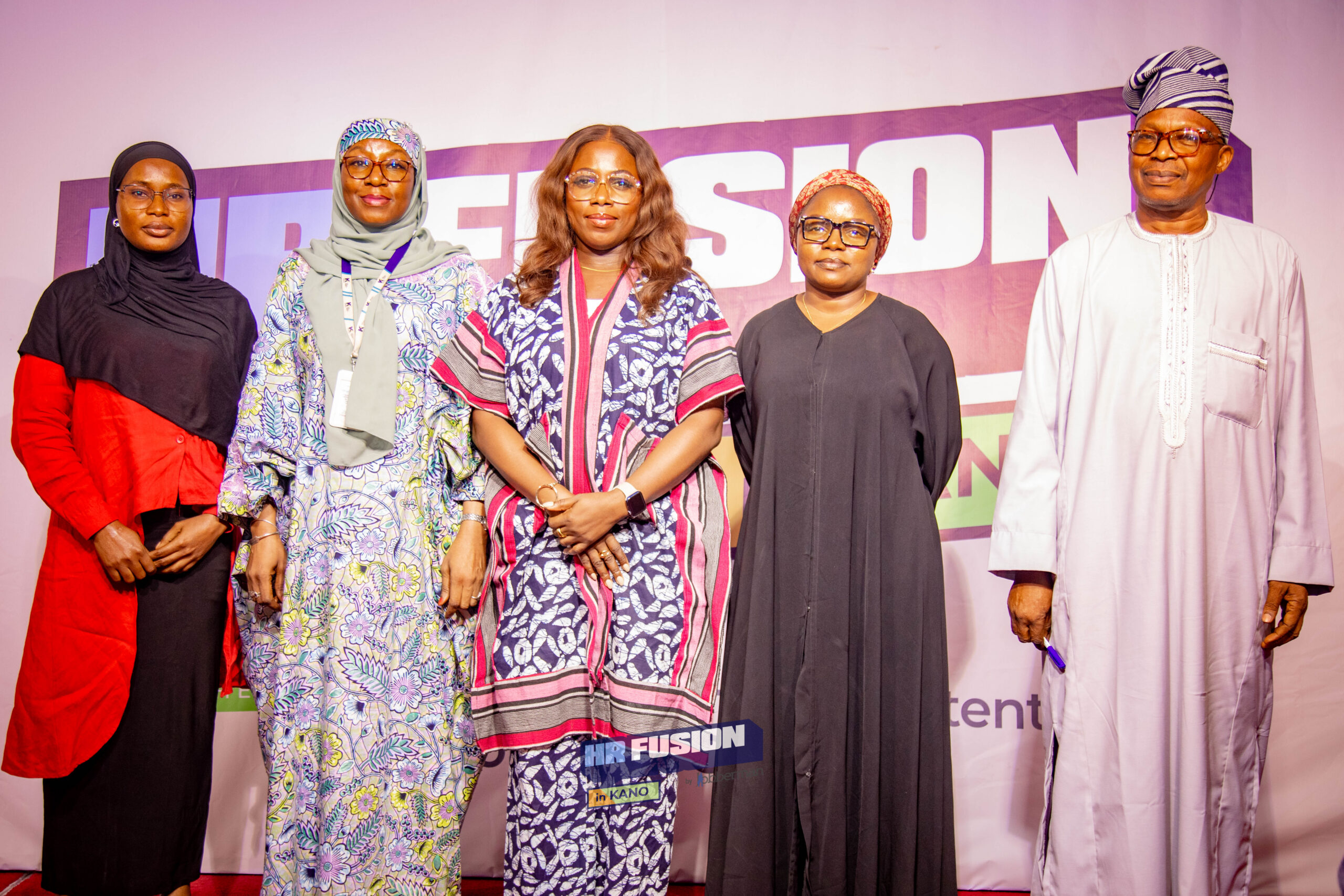
This was the focus of the first edition of the HR Fusion by Jobberman in Kano.
On Tuesday, 19th May 2026 Jobberman in partnership with Mastercard Foundation brought together HR professionals, business leaders and employers to discuss “Unlocking Women’s Potential for Economic Growth.”
The event kicked off with a keynote speech by Mairo Jibrin Tukura. She emphasised the importance of removing barriers that limit women’s participation in the workforce, particularly through improved access to education, childcare, finance, and leadership opportunities. She also encouraged organisations to increase women’s participation in leadership roles and work towards closing the gender pay gap.
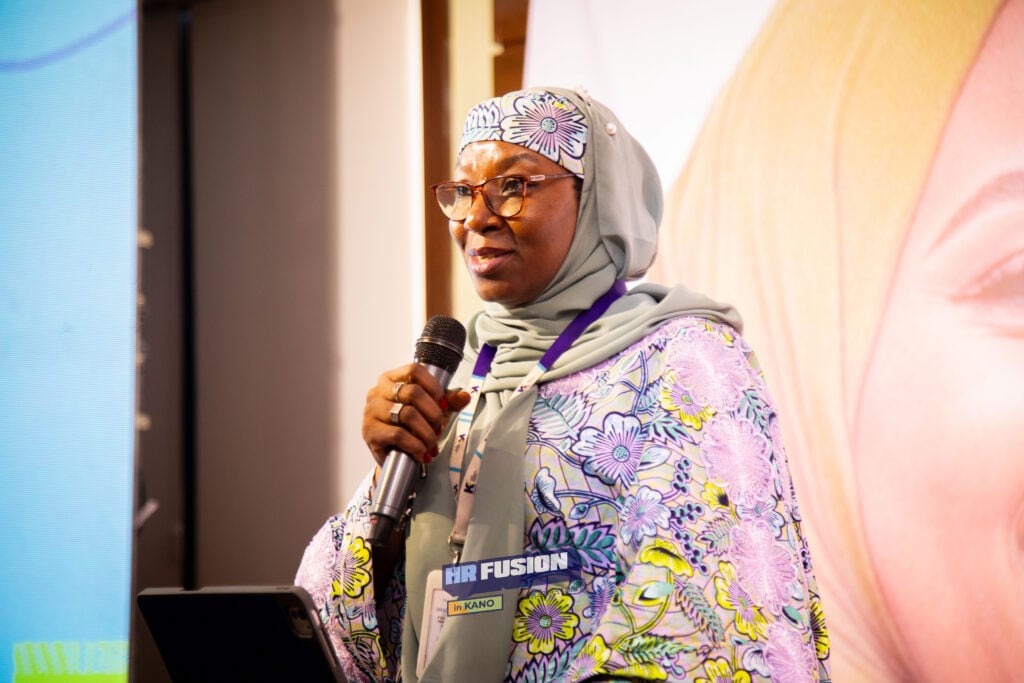
Drawing from her experience at KEDCO, a male-dominated sector, she noted that “women are increasingly taking on specialised roles and proving their value”. She also advocated for more inclusive recruitment and re-employment strategies that intentionally create opportunities for women, particularly Internally Displaced Persons (IDPs) and Persons with Disabilities (PWDs). She called for sustained investment in training and upskilling programmes to enable these groups contribute meaningfully to organisational growth and development.
After the keynote speech, Fatima Usman of the Joint National Association of Persons with Disabilities (JONAPWD) delivered a presentation on “Inclusive Employment: Moving from Compliance to Culture.” She emphasised that disability inclusion should go beyond compliance and become an integral part of organisational culture, where every individual is respected, valued, and given the opportunity to thrive.
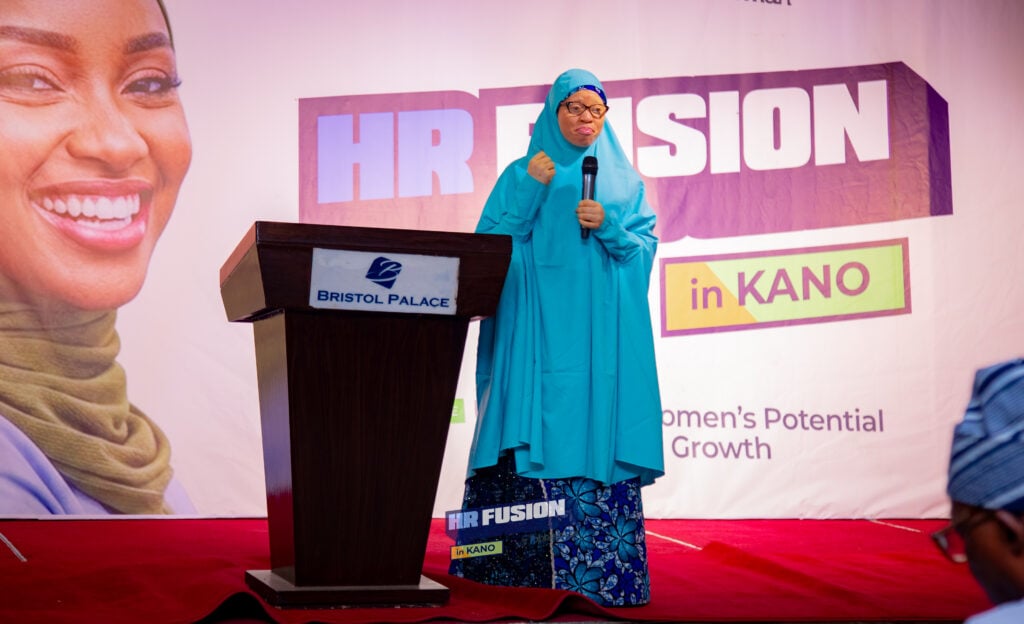
She explained inclusion through four key elements — access, participation, growth, and thriving — stressing the need for organisations to intentionally create accessible and supportive work environments. She also outlined five pillars of inclusive employment: inclusive recruitment, accessible workspaces, reasonable accommodation, equal opportunities, and support systems.
Highlighting the role of HR professionals and organisational leaders, Fatima called for disability-friendly policies and intentional inclusion in recruitment and workplace culture. She concluded by noting that excluding persons with disabilities limits productivity and innovation, while emphasising empathy as a vital quality for building truly inclusive organisations.
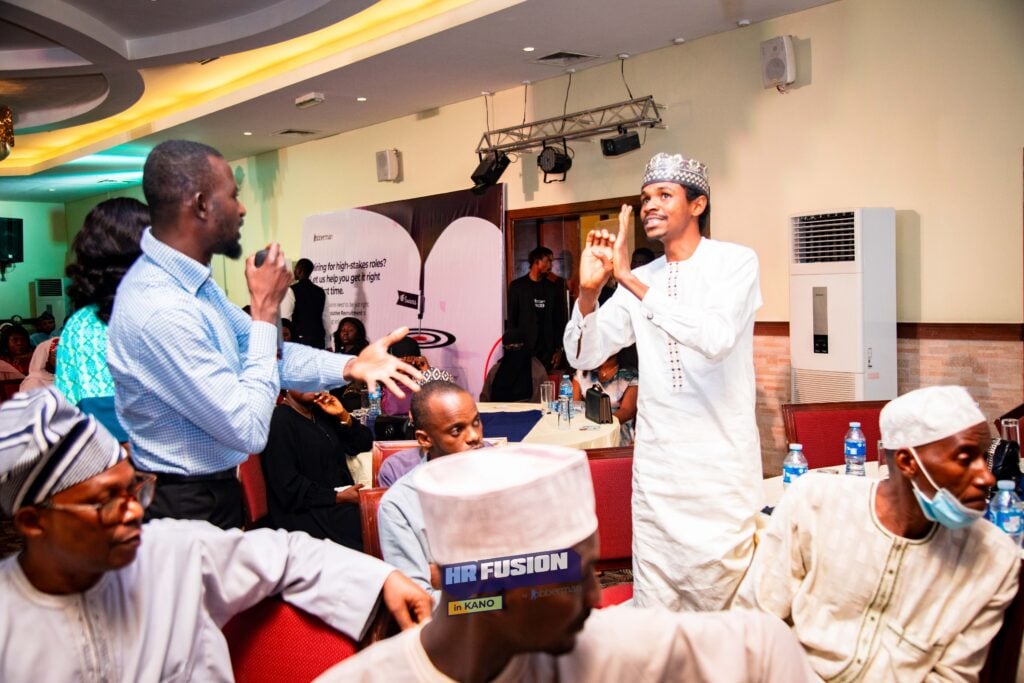
An engaging breakout session of 3 groups followed immediately after the presentation. The conversations explored practical realities around hiring, retention, workplace culture, and employee wellbeing, with emphasis on actionable approaches to building more inclusive organisations.
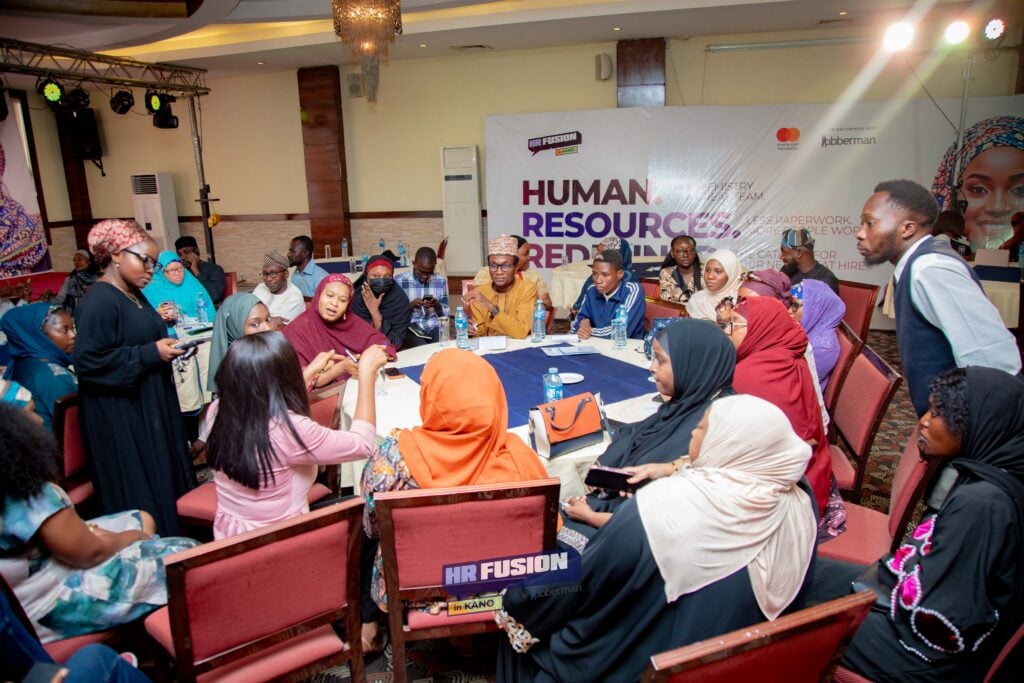
Table of Contents
Key Takeaways From the Breakout Sessions
Structural barriers that still exist
Despite growing awareness, several structural barriers continue to affect women’s participation in the workforce. Gender bias in hiring and promotion, persistent stereotypes, and safety concerns around working hours all contribute to uneven access to opportunity. These challenges are often compounded by caregiving responsibilities and broader social expectations, making progression more complex. Addressing them requires more than isolated policies; it calls for intentional systems that actively reduce inequality.
Flexibility as the foundation of retention
Flexibility has become one of the most important foundations for retaining women in service-driven roles. Work is no longer separate from personal life, and structures that reflect this reality tend to support longer employee tenure. When organisations introduce adjusted working hours, remote or hybrid arrangements, and thoughtful leave policies, they create space for employees to manage both professional and personal responsibilities more sustainably. Over time, this balance reduces pressure and makes it easier for women to remain consistently engaged in their roles.
Culture determines whether people stay or leave
Beyond structure, workplace culture plays a decisive role in retention. Even with strong policies in place, the day-to-day experience of employees ultimately determines whether they stay. Environments that allow open communication, discourage discrimination, and actively prevent bullying or exclusion tend to build stronger trust within teams. When employees feel respected and included, they are more likely to remain committed. This sense of belonging becomes a quiet but powerful driver of retention over time.
Growth opportunities drive long term commitment
Opportunities for growth remain a key factor in long-term employee commitment. People are more likely to stay when they can clearly see how their skills are developing and where their careers are headed. Mentorship, training, and structured development pathways help create this sense of direction. While incentives and recognition provide motivation, they are most effective when they are tied to meaningful progress. Over time, this combination of growth and appreciation strengthens both engagement and loyalty.
Inclusion as a driver of business performance
Inclusion extends beyond fairness and directly influences organisational performance. Diverse teams tend to build stronger relationships with customers, communicate more effectively, and expand the organisation’s reach within different communities. Representation also shapes perception, influencing how trusted and relevant an organisation appears to its audience. In this sense, inclusion becomes not just a workplace value but a practical driver of growth and competitiveness.
The bigger picture of sustainable retention
Sustainable retention depends on how well organisations bring together structure, culture, leadership, and support in a way that reflects real human lives. When flexibility is combined with empathy, when growth is supported through opportunity, and when inclusion is practised consistently rather than stated formally, workplaces become more stable. In such environments, women are not only present, but they can stay, grow, and contribute meaningfully over time.
A Successful Edition and What’s Next
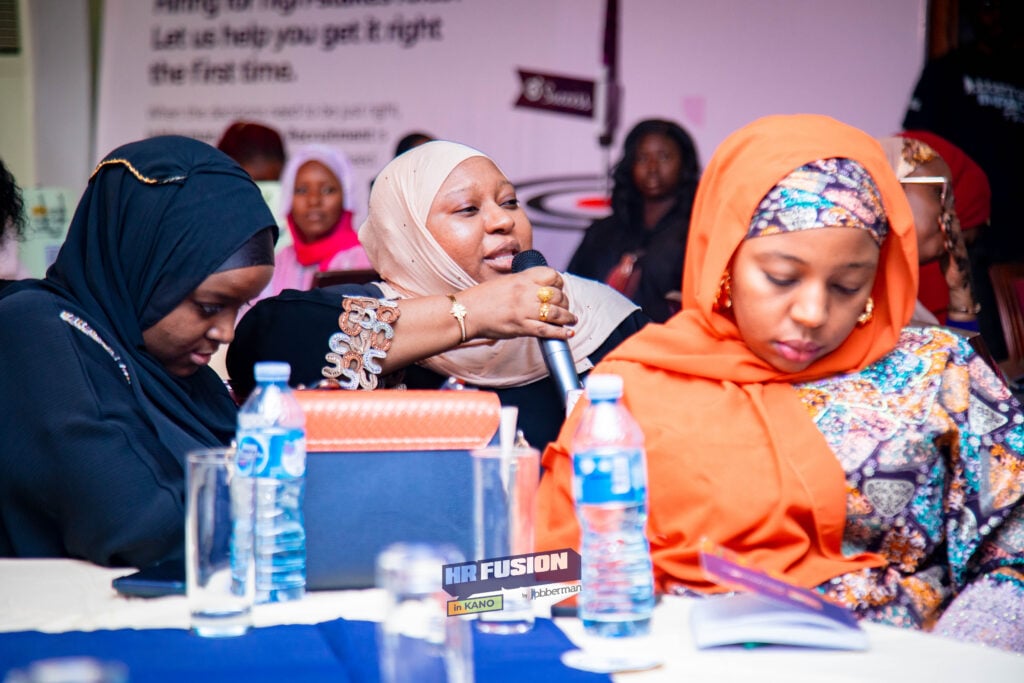
HR Fusion Kano ended on a strong note, with engaging discussions and practical reflections on inclusion, hiring, and workplace culture.
A clear message emerged across all sessions: building inclusive workplaces must be intentional. From recruitment to retention and employee experience, participants highlighted the need for more thoughtful, people-centred approaches.
One key takeaway came from Faith Titus, HR at Bridge Connect Africa Initiative, who noted that the session made her realise the importance of intentionally considering persons with disabilities when drafting job descriptions, especially by including accessibility notes in job postings.
Following the success of HR Fusion Kano, Jobberman looks forward to continuing these important conversations and creating more spaces for learning, networking, and impact across Nigeria.
More HR Fusion editions ahead. Stay tuned as we continue to support organisations with recruitment, workforce solutions, and talent acquisition services.