If you and a colleague have similar technical knowledge, work in the same role and have roughly the same level of experience, what would make you stand out?
It is easy to think the answer is simply being better at the technical side of the job. And yes, that matters. But succeeding in manufacturing is not only about how well you carry out a task. It is also about how you think, how you respond when things go wrong, and how well you work with the people and processes around you.
If you want to stand out and build a stronger manufacturing career, here are five skills worth developing.
Table of Contents
Technical and Industry Knowledge
Knowing your job well is the starting point. The advantage comes from understanding how your work fits into the bigger picture.
You do not need to know the technical details of every department, but having a broader understanding of the industry and how your role contributes to the organisation can help you make better decisions and prepare you for greater responsibility.
It is also important to keep your technical knowledge up to date. Manufacturing is constantly evolving, with new equipment, technologies and processes changing the way work gets done.
Staying curious and willing to learn can help you keep pace with these changes and remain effective as your role develops.
Quality and Attention to Detail
A mistake that seems small can sometimes have much bigger consequences. A wrong specification, inaccurate record or missed step can lead to waste, rework, delays or customer complaints.
Quality is not limited to the quality control team. Whatever your role is, your work can have an impact on the final product.
That means paying attention to the details that matter, following procedures, keeping accurate records and speaking up when something does not look right.
Taking responsibility for the quality of your work can make a real difference, both to your team and to the wider organisation.
Communication, Teamwork and Adaptability
You can know your job inside out and still struggle if you cannot work effectively with other people.
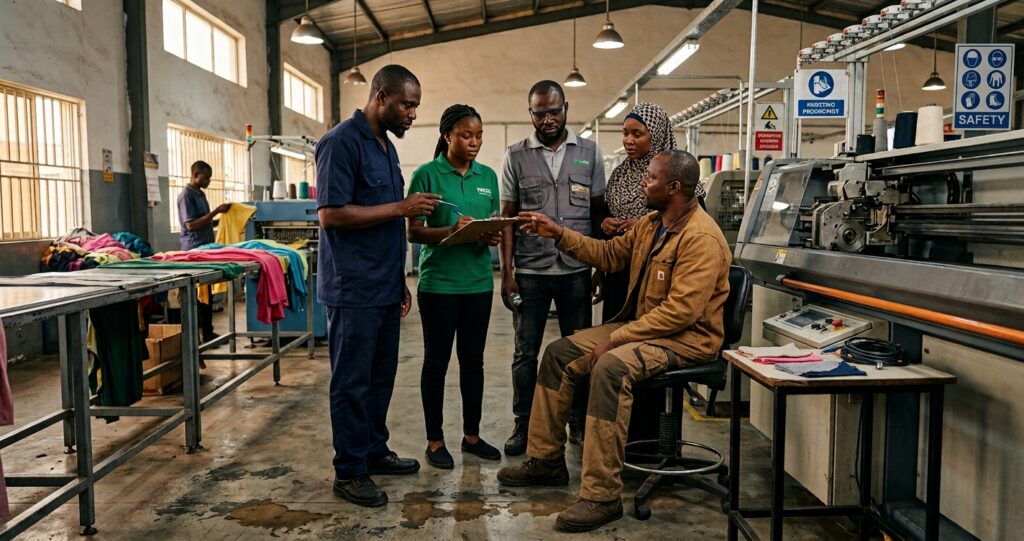
Manufacturing involves different teams working towards the same outcome. A production issue may need input from maintenance. A quality problem may require production to make a change. A delay may need to be communicated before it affects another part of the business.
Being able to explain an issue clearly, listen to other perspectives, ask questions and work with people outside your immediate team can make these situations easier to manage.
You also need to be ready for change. A new system may be introduced, a process may be redesigned or your responsibilities may grow.
The people who adapt are not necessarily the ones who know everything already. They are often the ones who are willing to learn what they need to know and adjust when the way of working changes.
Digital and Data Skills
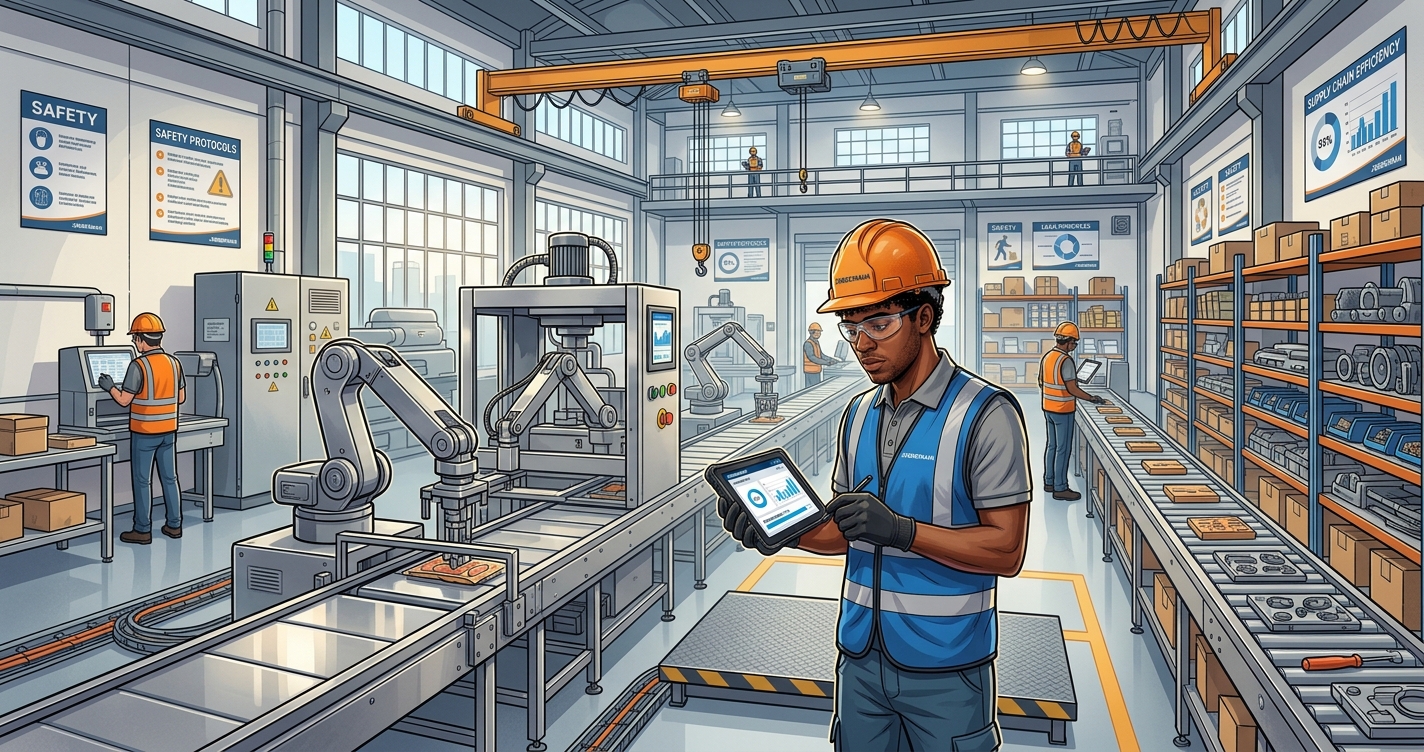
Digital and data skills are becoming increasingly valuable in manufacturing as more workplaces rely on technology to manage and improve their operations.
You may already use digital tools to record production figures, manage inventory, track defects, monitor equipment or review costs. But knowing how to enter information is only one part of the skill. What matters is being able to understand and use that information.
For example, if you notice a change in production figures, can you look at the data, identify a pattern and understand what it could mean for your work?
Being able to do this can help you make better decisions, identify potential problems and recognise areas where improvements may be needed.
You do not need to learn every new technology. Start with the tools and systems that are relevant to your role, and focus on becoming confident using them.
Problem-Solving and Continuous Improvement
When something goes wrong at work, being able to identify the problem and find a practical solution is an important skill.
But good problem-solving does not stop at fixing the immediate issue. It also means asking what caused the problem and what can be done differently to prevent it from happening again.
Instead of simply working around the same issue each time, take the opportunity to investigate what is causing it and look for a better way to handle it.
You do not have to be a manager to develop this skill. Pay attention to the issues that come up in your work, ask questions and think about what could be changed.
Small improvements can make a difference, and the ability to spot opportunities for improvement can help you become a more valuable member of your team.
Ready to Build Your Manufacturing Skills?
If you are looking to build some of these skills, Jobberman’s Career Success in Manufacturing course is a good place to start. It covers areas such as production operations, quality and safety, digital manufacturing, inventory management, problem-solving, communication and teamwork.
The course is designed to give you a broader understanding of what it takes to work and grow in manufacturing, while helping you prepare for opportunities across production, quality, warehousing, maintenance and supply chain.
Because building a career in manufacturing is not just about knowing how to do the job. It is about continuing to develop the skills that help you do it well.
Knowing how to make the work better can take you further.